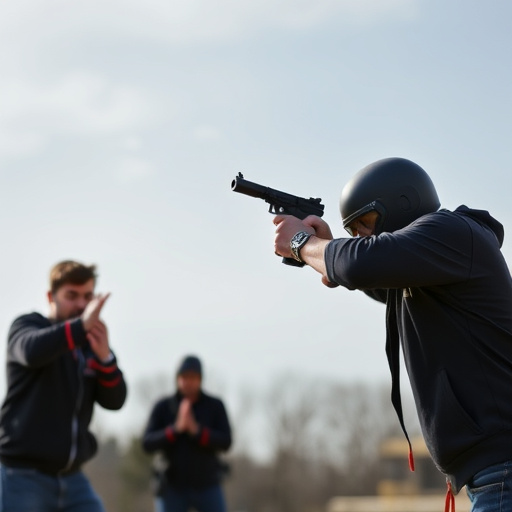
Understanding pepper spray labels is vital for informed self-defense choices. The key active ingredient, capsaicin from chili peppers, causes irritation and temporary blindness. Concentrations measured in parts per million (ppm) vary from 1% to 5%, with higher values offering faster action and longer lasting effects. Legal strongest pepper spray concentrations range from 10% to 25% measured in international units (MIU) per ounce or euro, tailored to specific needs and local regulations. Always check local laws before purchasing.
“Uncover the power of civilian-grade pepper defense spray—a legal and effective personal safety measure. This versatile tool has become a game-changer for self-defense, offering a non-lethal way to deter potential threats. In this comprehensive guide, we explore the legal aspects, ingredients, and benefits of pepper spray.
Learn how to navigate labels, understand key components, and make an informed choice when selecting the strongest legal pepper spray concentration for maximum protection. Arm yourself with knowledge and peace of mind.”
- Understanding Civilian Grade Pepper Spray: Its Legal Status and Benefits
- Decoding Label Ingredients: What Makes Pepper Spray Effective?
- Choosing the Strongest Legal Pepper Spray: Factors to Consider for Optimal Protection
Understanding Civilian Grade Pepper Spray: Its Legal Status and Benefits
Civilian-grade pepper spray, also known as oleoresin capsicum (OC) spray, is a popular self-defense tool for individuals seeking protection against potential threats. This type of spray is designed for personal use and is subject to specific legal regulations, ensuring its availability to law-abiding citizens while maintaining public safety. The key aspect that sets civilian-grade pepper spray apart from its more powerful military or law enforcement counterparts is the concentration of capsaicin, the active ingredient responsible for the burning sensation associated with chili peppers.
The strongest legal pepper spray concentration typically ranges between 2% and 5%, providing users with a significant deterrence factor without causing severe harm. This concentration level allows individuals to protect themselves in various situations, such as close encounters with aggressive dogs, unexpected physical assaults, or even during attempts of robbery. With its non-lethal nature and relatively mild effects, civilian-grade pepper spray offers an effective means of self-defense while adhering to legal guidelines, making it a preferred choice for personal safety measures.
Decoding Label Ingredients: What Makes Pepper Spray Effective?
Decoding the ingredients listed on a pepper spray label is key to understanding its effectiveness and potency. The primary active ingredient in civilian-grade pepper spray is capsaicin, a chemical derived from chili peppers. This compound is what causes the burning sensation and temporary blindness associated with pepper spray. The strength of the spray is typically measured in parts per million (ppm), indicating the concentration of capsaicin.
When looking for the strongest legal pepper spray concentration, you want to see high ppm values. Concentrations often range from 1% to 2%, but some top-tier brands offer sprays with up to 5% or more capsaicin. Higher concentrations mean faster acting and longer lasting effects, providing better protection in various self-defense scenarios. Always check local laws regarding pepper spray ownership and usage before purchasing.
Choosing the Strongest Legal Pepper Spray: Factors to Consider for Optimal Protection
When selecting a civilian-grade pepper spray, understanding the concentration of capsaicin is paramount to ensuring optimal protection. The strongest legal pepper spray will typically have a higher percentage of this active ingredient, measured in millions of international units (MIU) per ounce or euro. Concentrations ranging from 10% to 25% are considered powerful and effective for personal defense.
Several factors influence the choice of the strongest legal pepper spray. First, consider the intended use; outdoor applications may require a stronger spray to account for wind and distance, while self-defense in close quarters might benefit from a more concentrated but shorter-range option. Additionally, the size and weight of the spray can impact portability and ease of use. Always verify local laws and regulations regarding pepper spray ownership and usage to ensure compliance and maximize safety.